1. Home
  2. The AquaOmega difference

The AquaOmega difference

We’d rather be able to prove things than say them. Here’s what goes into every bottle, and how you can check it yourself.

Golden softgels arranged in a smile on a blue background

The fish

We only use one fish

Every AquaOmega fish oil comes from a single species: anchovy, caught wild in the South Pacific. Not a blend, not whatever the season brought in.

Small fish, short lives

Anchovy sit near the bottom of the food chain and live short lives. Larger, longer-lived fish accumulate what they eat, and what their food ate before them. One small, short-lived fish lowers that potential and gives a more consistent omega-3 profile, batch after batch.

Small fishing boat on a calm blue sea
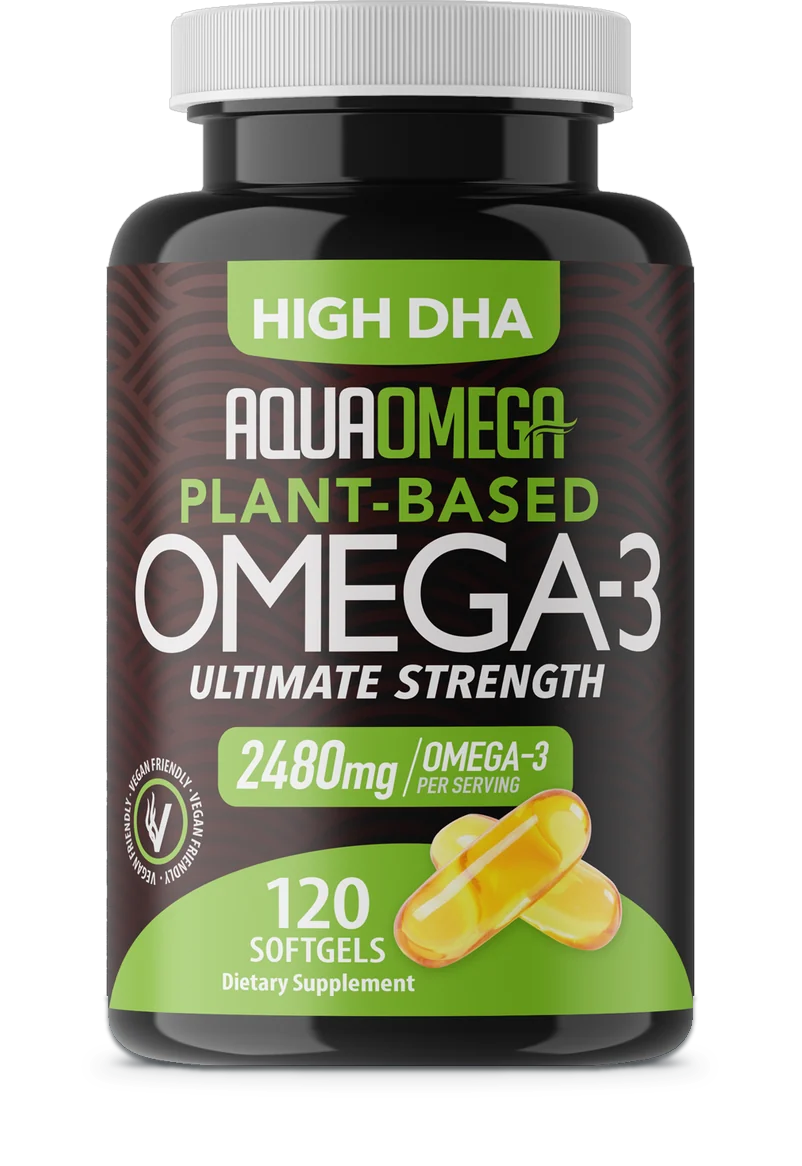
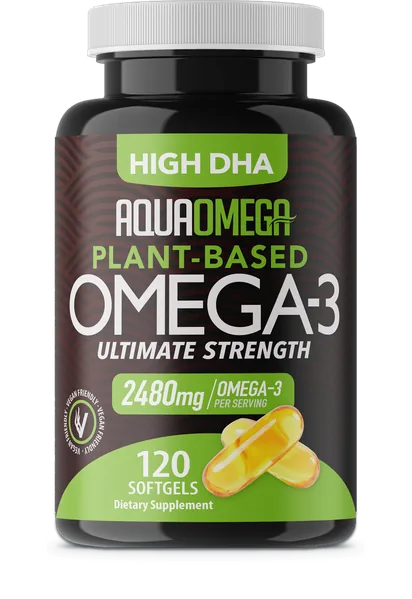
AquaOmega Plant-Based Omega-3 softgels

The algae

It all starts with algae

Fish make very little omega-3 of their own. They get it from what they eat, and at the bottom of that food chain is microalgae. The EPA and DHA in a fish’s oil were made by algae first, then passed up the chain one meal at a time.

Our plant-based DHA goes straight to that source. It’s oil from Schizochytrium, a microalga grown in controlled tanks rather than harvested from the sea. No fish, no fishing, and no food chain in between.

It’s vegan, it’s in triglyceride form, and the DHA in it is the same DHA you’d find in marine oil. It just comes from the place the fish got it.

Triglyceride format Third-party tested for purity & potency Vegan friendly

See Plant-Based Omega-3

The process

How it’s made matters

Omega-3s are delicate. From the moment a fish is caught, its oil starts to break down when it meets air, light and heat. That breakdown is called oxidation, and it damages the EPA and DHA you’re paying for.

  1. 1Caught

    Wild-caught

    A farmed fish’s oil profile comes from its feed, and feed is a variable you can’t audit from the outside. A wild anchovy’s comes from the ocean it lived in. Our algae is grown and harvested indoors, in controlled tanks.

  2. 2Processed

    Quickly, without high heat

    Fish should be processed quickly, without high amounts of heat. Both help protect the integrity of the active ingredients from the start.

  3. 3Refined

    Cold molecular distillation

    Our oil is purified by cold molecular distillation with CO2. It works under a deep vacuum, which lets unwanted compounds separate at lower temperatures than ordinary distillation.

  4. 4Tested

    Tested through IFOS

    Before it’s bottled, every lot is tested through the International Fish Oil Standards program, and the results are published online.

The form

Triglyceride or ethyl ester?

Omega-3s don’t float around on their own. In fish, and in your body, they’re carried in a structure called a triglyceride: three fatty acids attached to a glycerol backbone.

Then ethanol pulls it apart

Many fish oil concentrates are sold in a different form, called an ethyl ester. To make it, the oil is processed with ethanol, which separates the fatty acids from their backbone so they can be concentrated.

Same omega-3s, different structure

Both forms contain EPA and DHA. What differs is the structure carrying them, and many labels state which form they use.

Glycerol backbone + three fatty acids

Triglyceride

As found in fish

Our core softgels are labelled triglyceride form, so you’ll see it printed on the bottle.

Ethyl group + one fatty acid

Ethyl ester

Made during processing

A form created during processing, not one found in fish.

The testing

Tested lot by lot

A brand testing its own product can only tell you so much, so ours goes to a third party. Results are published batch by batch, so you don’t have to take our word for what’s in your bottle.

What each lot report covers

Potency

Does the omega-3 in the oil match what the label says?

Freshness

Has the oil oxidized? Fish oil can spoil anywhere along the supply chain.

Purity and contaminants

Testing looks for contaminants such as mercury, PCBs, dioxins and furans.

Look up your own bottle

  1. 1Find the lot code

    It’s printed on every bottle, usually near the barcode or on the back.

  2. 2Open the lookup page

    Go to AquaOmega’s page on the IFOS site.

  3. 3Enter the details

    Type in the lot code and any other requested information.

  4. 4Review the report

    You get the report for your batch, not an average.

View our IFOS results Testing and certifications

The certifications

Certifications decoded

Here’s who checks what, and what each one actually covers.

IFOS

International Fish Oil Standards

Launched in 2004, IFOS is the fish oil certification run by Nutrasource. Products are analyzed by independent laboratories, and the full results are published online with a rating out of five stars.

It certifies
The oil’s potency, purity, freshness and contaminants.
It doesn’t certify
Brands. It tests batches, so the result that counts is the one for your lot number.
Friend of the Sea

Third-party sustainable seafood certification

AquaOmega’s fish oil is certified by Friend of the Sea. Its fishery standard requires a stock that isn’t overexploited, selective fishing gear and no bycatch of vulnerable species.

It certifies
How the fish was caught.
It doesn’t certify
What’s in the bottle. It’s about how the fish was caught, not what the oil tested at.

cGMP

Good Manufacturing Practices

Good Manufacturing Practices are the rules a facility follows so that a product is made the same way, every time.

It certifies
The facility that made your product follows Good Manufacturing Practices, verified by an independent auditor.
It doesn’t certify
The oil itself. It’s about process, not product.

Newsletter

Omega-3 news, in your inbox

New research in plain language, product news and offers. A short email now and then, and you can unsubscribe any time.

Golden softgels arranged in a smile on a blue background

Every product

Five lines. One standard.

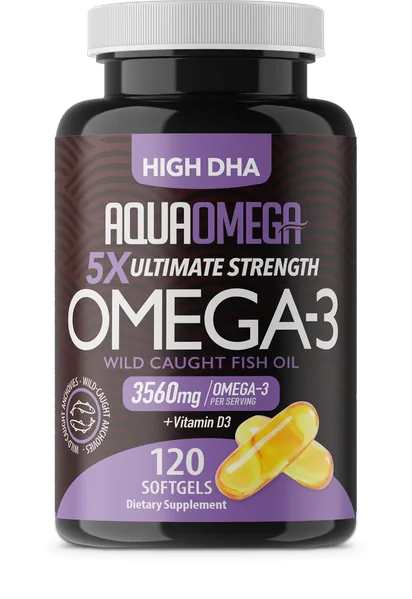
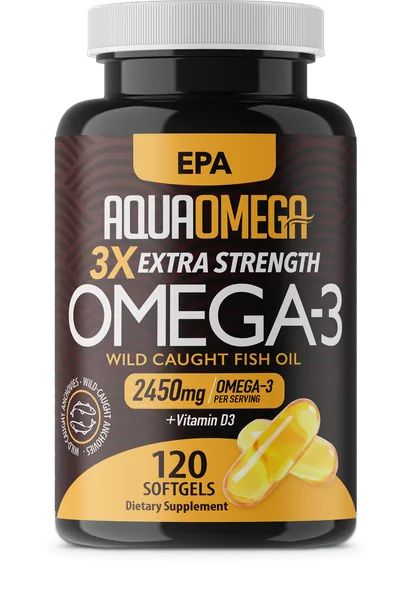
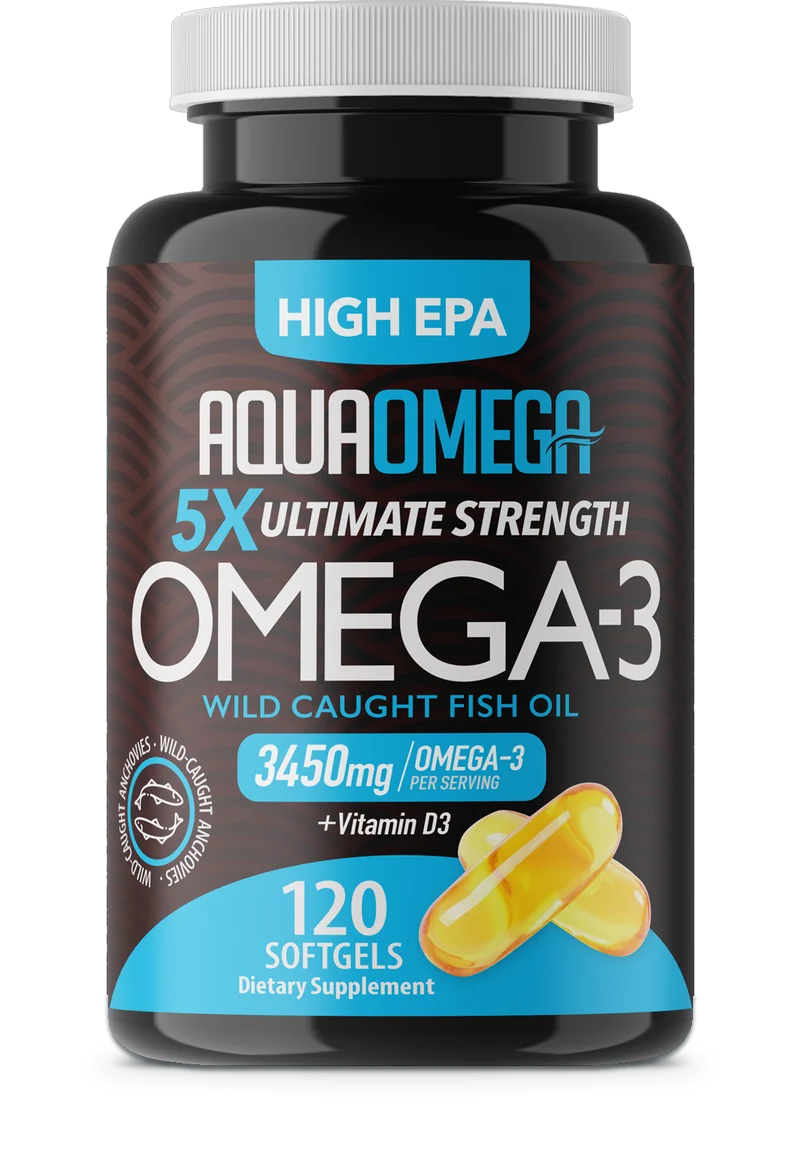
5X EPA

Ultimate strength
$48.003,456 mg

5X DHA

Ultimate strength
$48.003,564 mg

Amounts are total omega-3 per daily serving.

One standard, every bottle

The same approach runs across all five lines. The one difference is our plant-based omega-3, which comes from algae instead of fish.

Fish oilPlant-based
SourceWild-caught anchovy from the South PacificSchizochytrium microalgae, grown in controlled tanks
FormTriglyceride format, printed on every labelTriglyceride form
Third-party testingIFOS, with results published onlineIFOS, with results published online
Friend of the SeaCertifiedDoesn’t apply, there’s no fish
LabelDietary supplement, with a Supplement Facts panelDietary supplement, with a Supplement Facts panel
cGMPMade under Good Manufacturing Practices, independently auditedMade under Good Manufacturing Practices, independently audited

For every bottle purchased, AquaOmega funds the recovery of one pound of plastic and debris through 4ocean. Recovery is conducted and certified by 4ocean and funded through AquaOmega.

Find my omega-3 Shop all